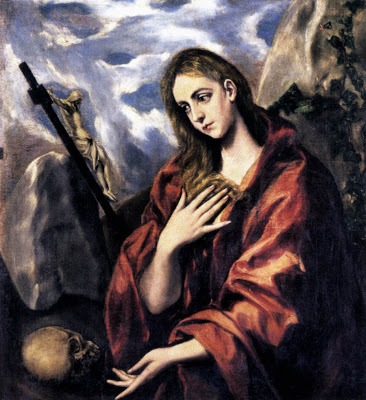
Excerpted from My Daily Bread, a book recommended by Fr. Geckle. CHRIST: My Child, how can any man abandon himself to the pleasures of this earthly life? Such people do not appreciate the miserable condition of their souls, nor the rapid passing away of this brief experience. They do not stop to think and to look beneath the surface of their daily activities. They laugh when they have many reasons to weep. Happy is he who can overcome the distractions which hinder him from straight thinking.
2. As for you, strive to develop within yourself a genuine compunction of heart. Compunction is a deep and lasting sorrow for your sins. It is not a gloomy nor depressing sorrow, but an intelligent admission of your sins and a sincere determination to do something about them. Since compunction comes from a realization of how you have failed so good a God, it brings with it a readiness to accept anything from My Hand.
3. Compunction opens the way to many blessings and precious graces. When compunction fills your soul, the world will lose its magic attraction and will become more distasteful to you. Compunction will help you realize how quickly earthly joys pass away, while eternity goes on forever. You will see clearly that your sins have offended Me. One who has genuine compunction, is honest enough to admit his sins, and is truly sorry for them. His sorrow is proved by his sincere efforts to be rid of his faults.
THINK: Compunction is a great grace by which God helps me to face the truth about my sins. It also helps me to prove my sorrow for my faults. By compunction a man begins to attack his faults and to practice the opposite virtues. I can be sure of my sincere sorrow only when I have begun to do something about my faults. Compunction is a lasting sorrow because it is not an emotion, but rather an intelligent admission of facts. It shows me my faults, God’s goodness, and my own need to change for the better. Then it helps me undertake the daily task of abandoning my faults and acquiring the opposite virtues.
PRAY: Lord, I want to live a cheerful life, but I do not want that kind of cheerfulness which refuses to admit the truth. I can admit my sins and still be cheerful, as long as I am doing my best to overcome and make up for these sins. I do not want any gift or talent which might make me proud, or worse in any way. Not everything that is high is holy; nor is every pleasant thing good. Good desires are not always unselfish. You, my Lord, are not always pleased with the things that we prize. It is far better to have compunction than to be able to talk about it. Grant me genuine compunction, so that I may hate my sins and daily fight against them. Amen.
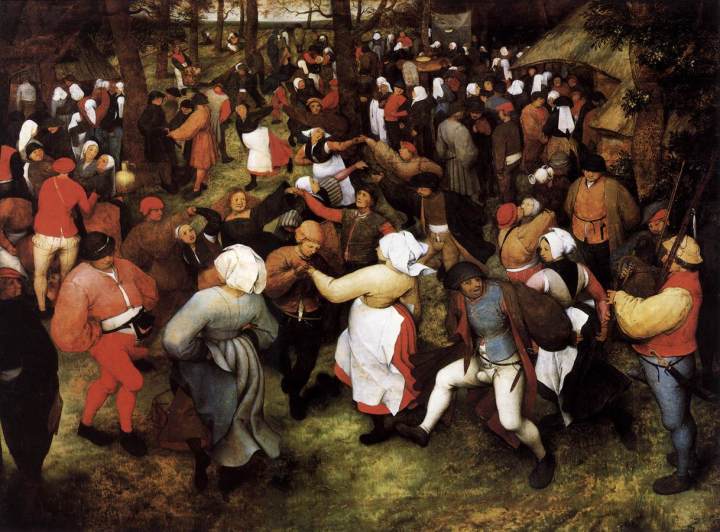 “The antithesis between holiday and workday, or more precisely, the concept of the day of rest, tells us something further about the essence of festivity. The day of rest is not just a neutral interval inserted as a link in the chain of the workaday life. It entails a loss of utilitarian profit. In voluntarily keeping the holiday, men renounce the yield of a day’s labor. This renunciation has from time immemorial been regarded as an essential element of festivity. A definite span of usable time is made, as the ancient Romans understood it, “the exclusive property of the gods.” As the animal for sacrifice was taken from the herd, so a piece of available time was expressly withdrawn from utility. The day of rest, then, meant not only that no work was done, but also that an offering was being made of the yield of labor. It is not merely that the time is not gainfully used; the offering is in the nature of a sacrifice, and therefore the diametric opposite of utility.

 In Fr. Geckle’s announcements yesterday he reminded us that Wednesday is a holy day of obligation and that even though he will not be able to say Mass for us that day, we are bound to keep it holy, just as if it were a Sunday.
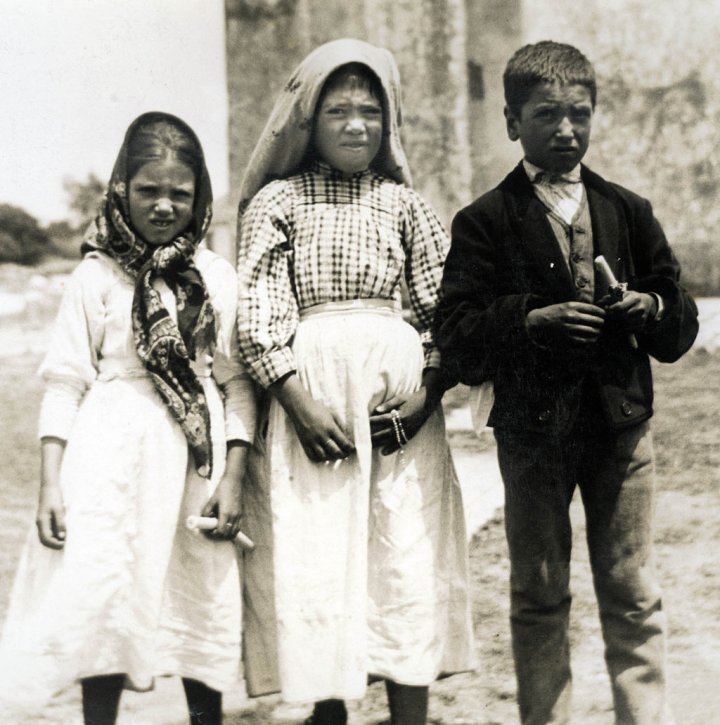
 Our Lady of Fatima Mission Chapel